General
Model Name
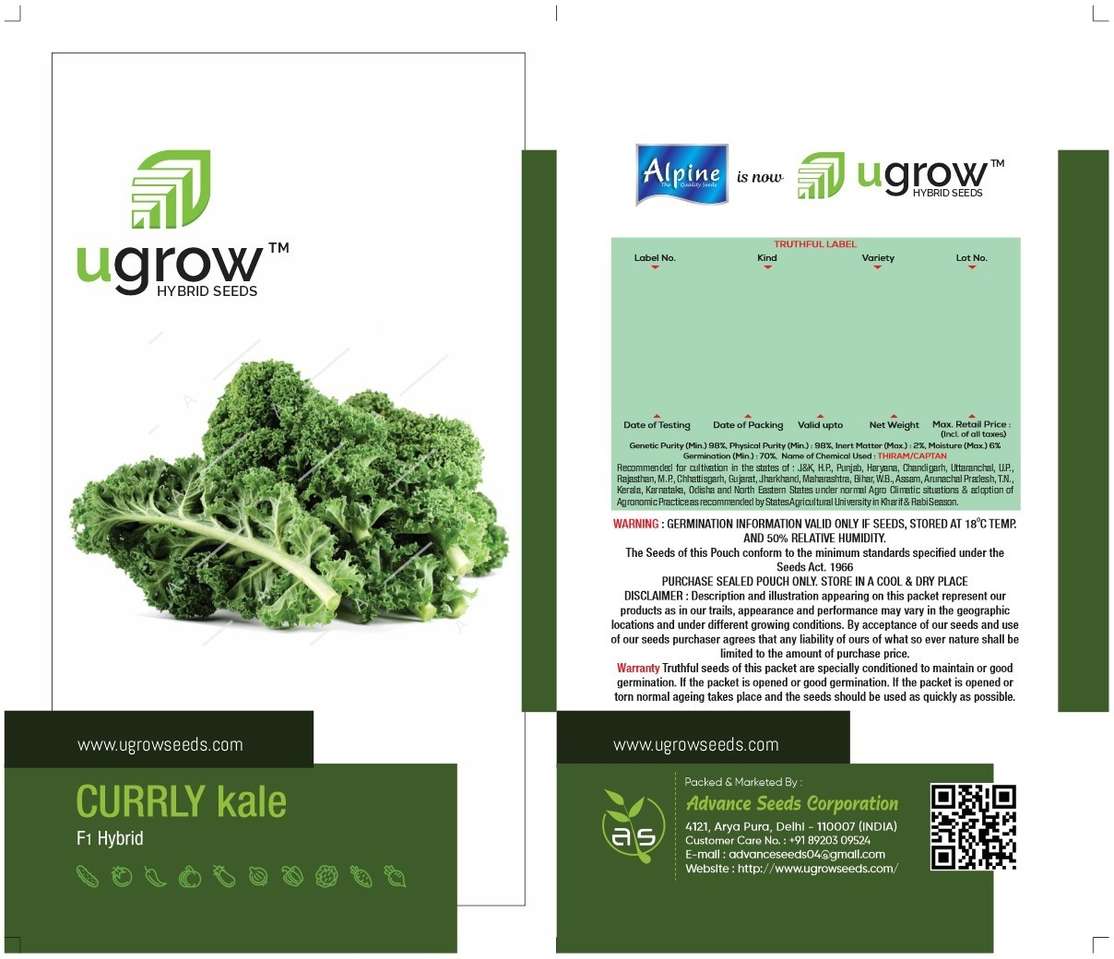
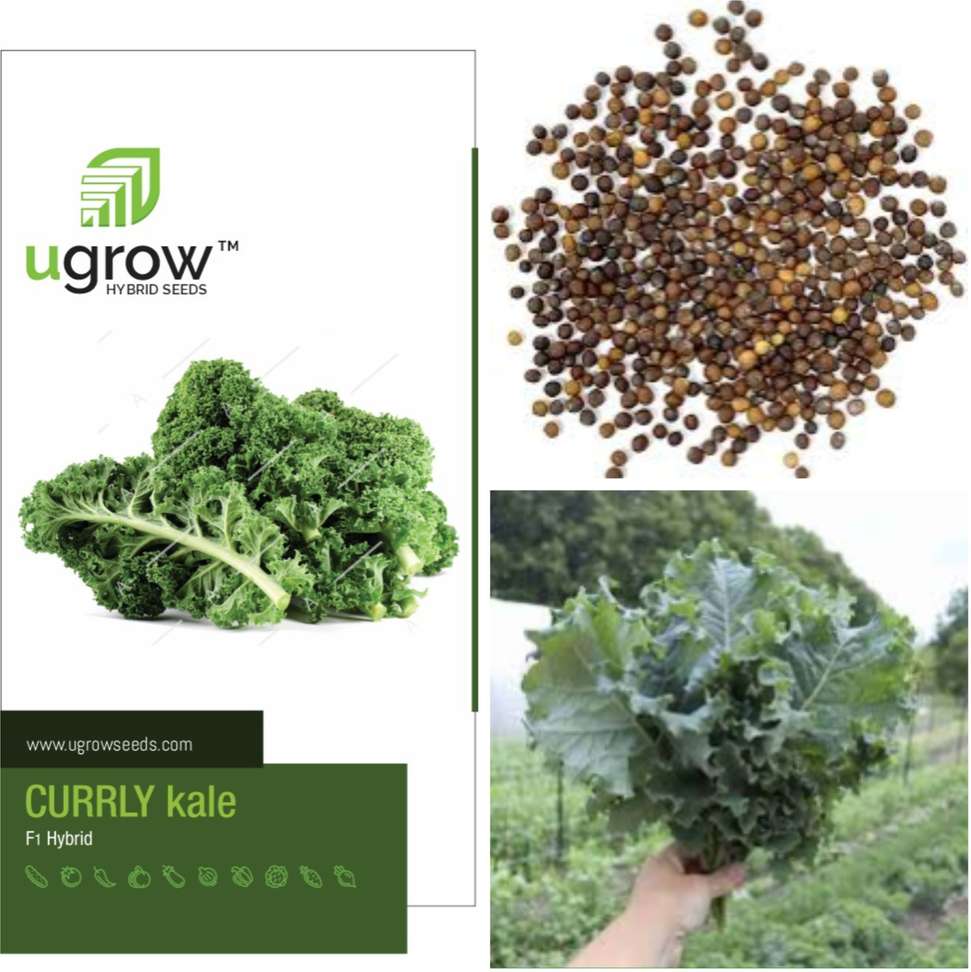
Shopsy VEG-319-F1-HYBRID-CURRLY-KALE
Common Name
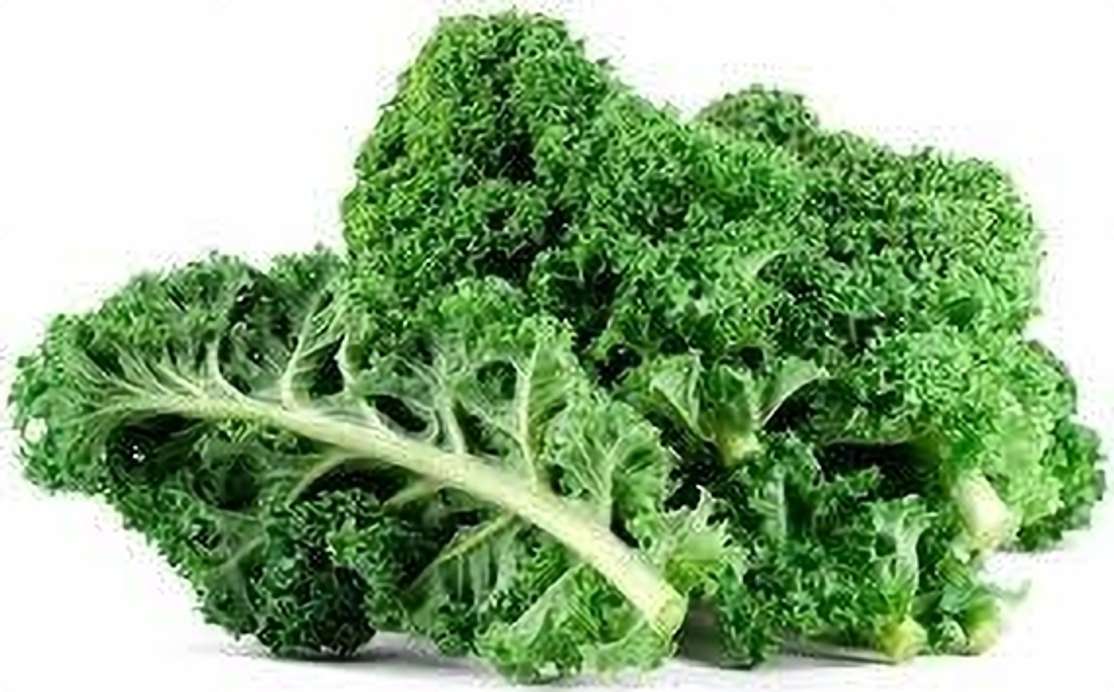
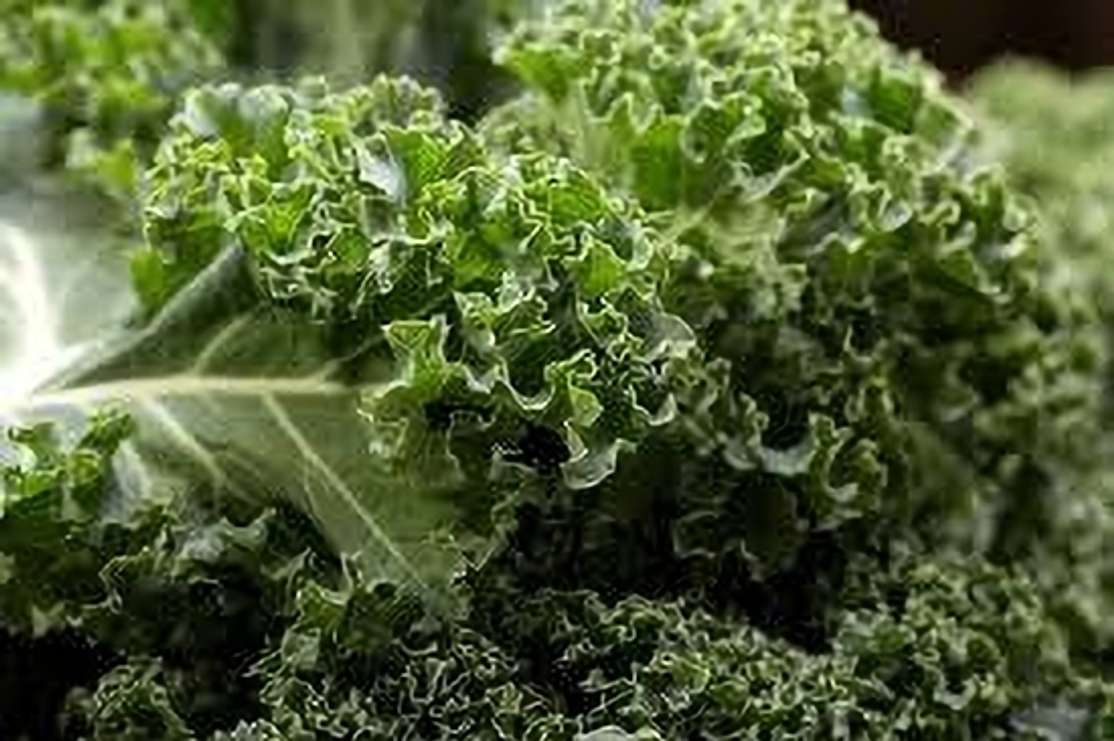
FRESH AND CRISP: CURLY KALE - GARDEN HARVEST DELIGHT
Suitable For
Indoor, Outdoor
Uses
Salads: Raw curly kale leaves can be torn or chopped and used as a base for salads, adding texture and nutrition: Smoothies: Curly kale can be blended into smoothies along with fruits, yogurt, or other ingredients to create a nutritious and refreshing beverage: Nutritional Benefits: Curly kale is highly nutritious and offers various health benefits due to its rich content of vitamins, minerals, antioxidants, and fiber. It is particularly high in vitamins A, C, and K, as well as calcium, potassium, and iron.
Soil Nutrient Requirements
Nitrogen (N): Curly kale requires a moderate to high level of nitrogen for optimal growth and leaf development. Nitrogen is essential for producing lush, green foliage. Incorporate nitrogen-rich fertilizers, such as compost or aged manure, into the soil before planting to provide a steady supply of nitrogen Phosphorus (P): Phosphorus is important for root development and overall plant health. While curly kale does not have an exceptionally high phosphorus requirement, ensure that the soil contains sufficient phosphorus for healthy growth. Phosphorus-rich fertilizers, such as bone meal, can be added to the soil as needed.
Sowing Method
Raised Beds: Planting curly kale in raised beds helps improve drainage, soil aeration, and temperature regulation. Raised beds also make it easier to control weeds and pests. Ensure that the raised beds are filled with nutrient-rich soil and provide sufficient spacing between plants: Intercropping: Intercropping curly kale with other compatible vegetables or herbs can maximize space and diversity in the garden. Consider planting kale alongside crops like lettuce, radishes, or herbs to make the most of available space and resources.
Net Quantity
30 per packet