General
Model Name
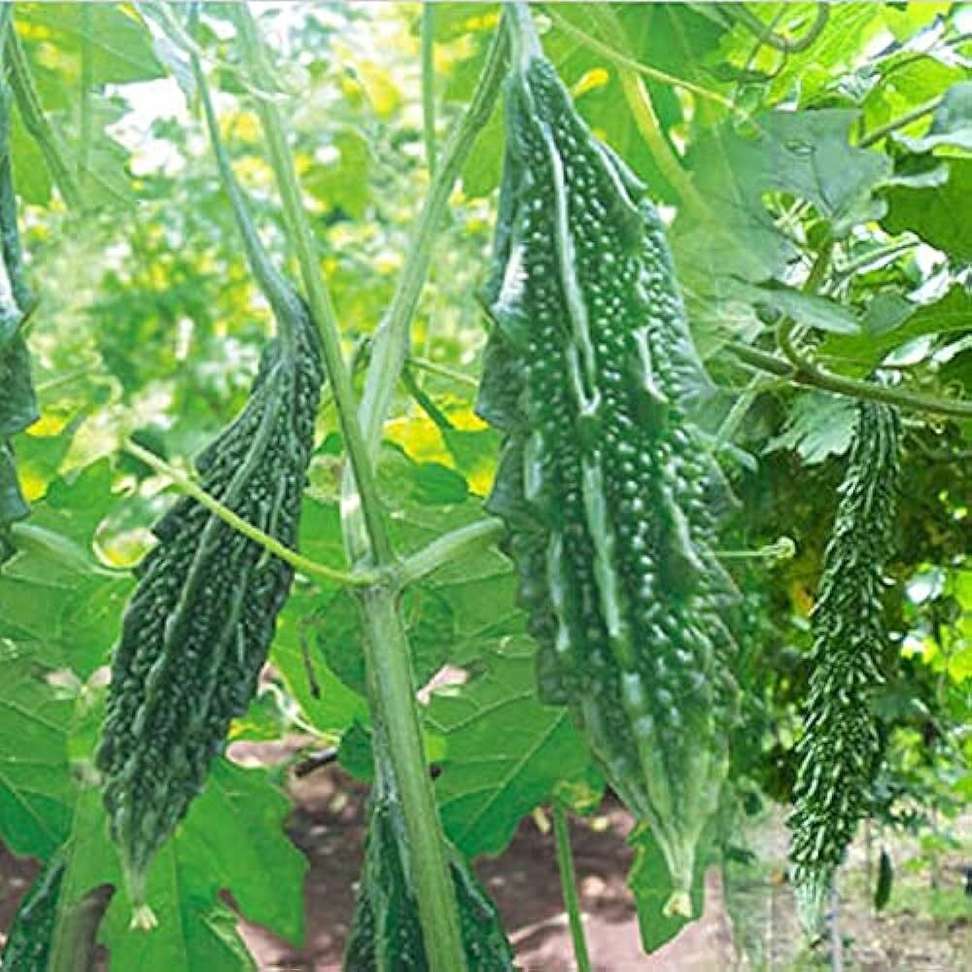
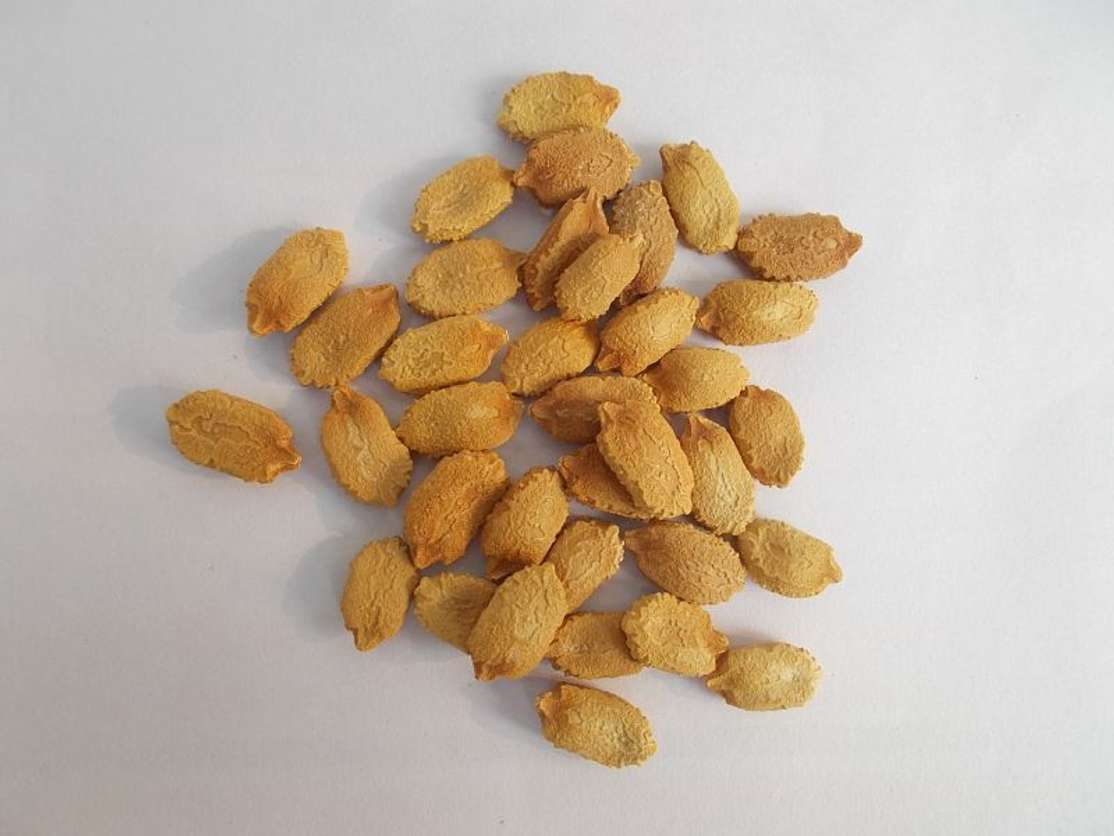
1Bitter Gourd Seeds, Fresh vegetable Seeds Pack of
Common Name
Bitter Gourd Seeds, Fresh vegetable Seeds Pack of, Desi karela Beej 130
Suitable For
Indoor, Outdoor
Scientific Name
Momordica charantia
Uses
It is commonly used in Asian and Indian cuisines. Rich in fiber, vitamins (especially C and A), and various phytonutrients, Bitter gourd is recognized for its potential health benefits, including anti-diabetic properties. Culinary preparations involve stir-frying, stuffing, or inclusion in curries, while some cultures utilize it for pickling or medicinal juices.
Soil Nutrient Requirements
Bitter gourd can be grown on well drained sandy to sandy loam; medium black soils rich in organic matter. Alluvial soil along the river beds is also good for production of bitter gourds. A pH range of 6.0- 7.0 is considered as optimum.
Sowing Method
Prepare the potting soil prior to planting by adding aged manure or aged compost to the soil. Ensure that the soil is well-draining and light for planting. While growing bitter gourd vines on the ground, it’s ideal to mulch the soil to prevent the fruits from getting dirty or rotting in moist soil. Sow seeds about ½ inch deep in loamy well-draining soil that has been prepared with aged manure or compost. Bitter gourd seeds can also be soaked overnight to speed up the germination. Plant the soaked seeds directly in the garden and cover with soil. Keep a distance of at least 12 to 15 inches between two plants.
Net Quantity
130 per packet