General
Common Name
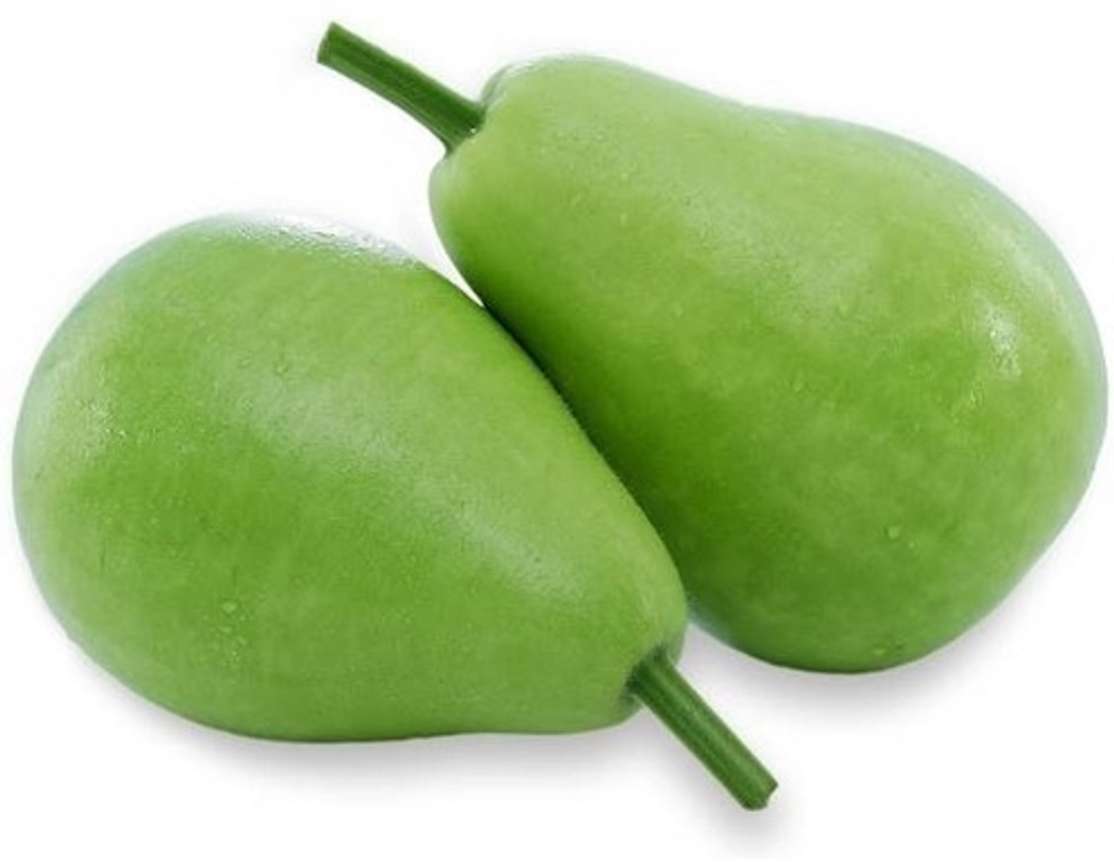
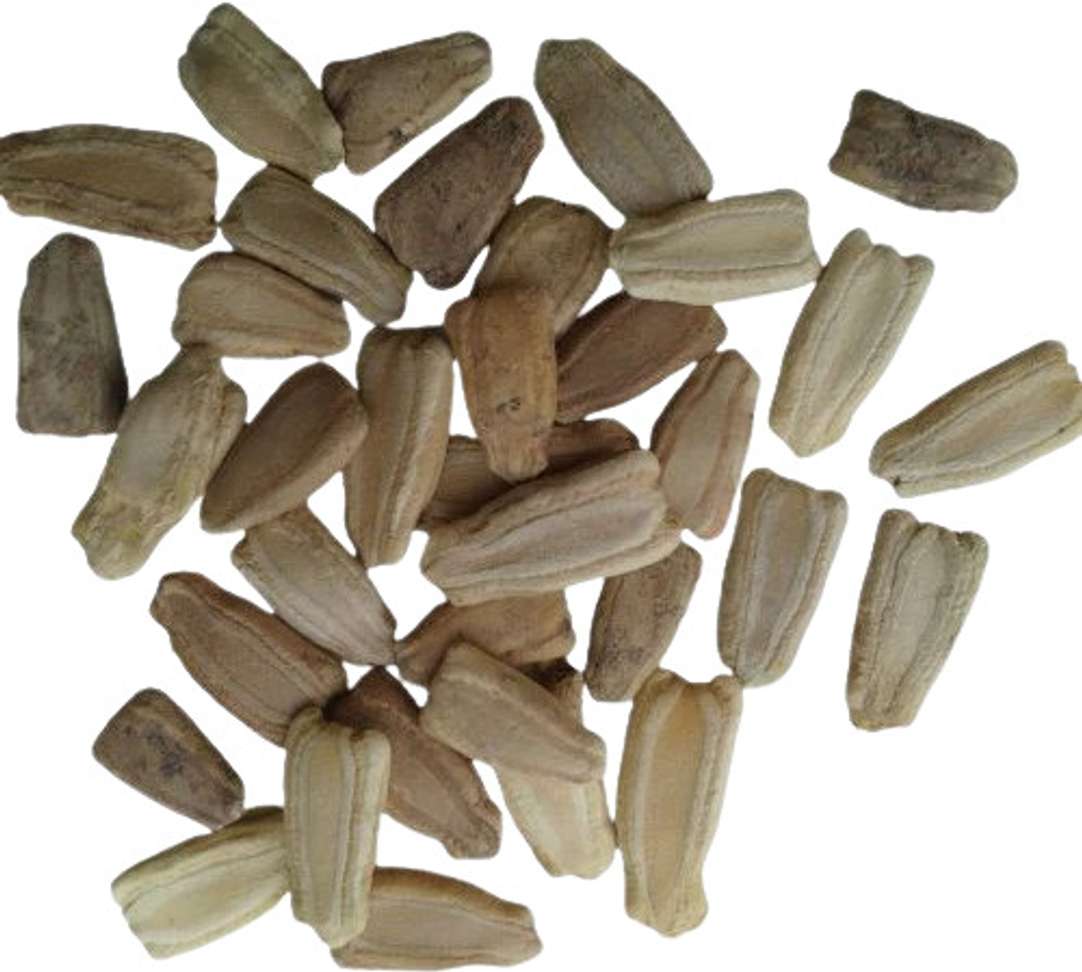
Bottle Gourd Bottle Gourd/Lauki Gol Seeds / Ghiya/ Gol Doodhi
Suitable For
Indoor, Outdoor
Scientific Name
Lagenaria siceraria
Uses
Bottle gourd, also known as calabash gourd, is a type of fruit that is commonly used in cooking and baking. It has a hard outer shell and is frequently used to make pickles, chutneys, and stews. On the inside, it is a soft, white substance that can be scooped out and used in a variety of recipes, including soup, cake batter, and even marinades. Bottle gourd also has medicinal properties and is believed to aid in digestion.
Soil Nutrient Requirements
Bottle gourd, also known as calabash or dudum,, requires well-draining soil with a pH between 6.0 and 7.0. The plant needs a good amount of sunlight, around 6 to 8 hours per day. Bottle gourd is high in potassium and nitrogen, so applying a balanced fertilizer every 4 to 6 weeks during the growing season can help provide the necessary nutrients. Additionally, regular watering will help support healthy growth. Proper care and attention will yield a bountiful harvest of around 5 to 10 fruits per plant.
Sowing Method
Bottle gourd is a type of squash that can be grown in a container or in the ground. To sow bottle gourd, first, cut the top off of the bottle and poke several drainage holes in the bottom. Fill the bottle with potting soil and plant the seeds about 1 inch deep and 2 inches apart. Cover the seeds with more soil and water well. Once the seeds germinate, thin them to about 6 inches apart to give them room to grow. Bottle gourd plants need full sun and well-drained soil to grow properly.
Net Quantity
15 per packet
Additional Features
Care Instructions
Bottle Gourd (Laus Enanthema) is a type of carefree, hard-shelled squash native to Asia. Its unique, oblong shape and pleasing green or orange color make it an attractive addition to any garden. Here are some care instructions for bottle gourds: Planting: Bottle gourds grow best in warm, full sun locations with well-drained soil. They can be direct-sown or started indoors and transplanted. Watering: Keep the soil consistently moist during germination and early growth. Once established, bottle gourds are fairly drought-tolerant. Harvest
Other Features
Bottle gourd, also known as calabash gourd, is a type of cucurbit that is prized for its large, hard-shelled fruit. However, bottle gourd also has many other features that make it a desirable plant to grow in a garden or container. For one, the vines of the bottle gourd plant are beautiful and aromatic, with striking yellow flowers that bloom in the summer. Additionally, the leaves of the bottle gourd plant are an excellent source of nutrients, providing vitamins A, C, and K, as well as a good amount of calcium and iron. Plus, the hard-shell of the fruit can be used to